How Many Serves Do You Get in Tennis? Two, Plus Every Let
The rulingTwo serves per point; a let does not count as one
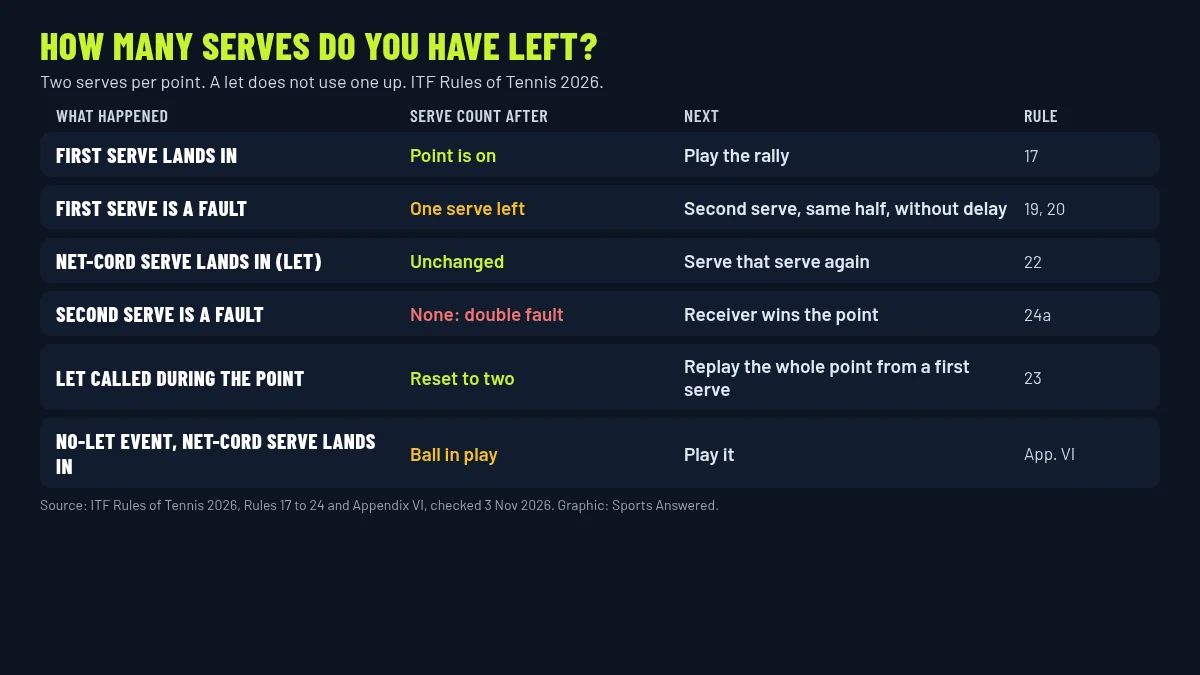
Two. If your first serve is a fault, you serve again from the same half of the court, and if that second serve is also a fault, you lose the point. The ITF Rules of Tennis 2026 put the second serve in Rule 20 and the double fault in Rule 24a.

The number people miss is the let. A serve that touches the net and lands in the correct box is a let, not a fault, and you just serve that serve again. So in practice you can hit more than two balls on one point and still be on your first serve.
What counts as a fault
Rule 19 lists four ways to miss a serve:
- The serve breaks the serving rules in Rules 16 to 18. That includes the serve not landing in the box diagonally opposite and any foot fault.
- You swing at the ball and miss it.
- The serve hits a permanent fixture, a singles stick or the net post before it lands. Rule 19, Case 2 says a serve that clips a singles stick and then lands in the box is still a fault.
- The serve hits you, your doubles partner, or anything either of you is wearing or carrying.
A bad toss is not on that list. Rule 19, Case 1 lets you catch the toss or let it drop without a fault, provided you did not swing.
What counts as a let
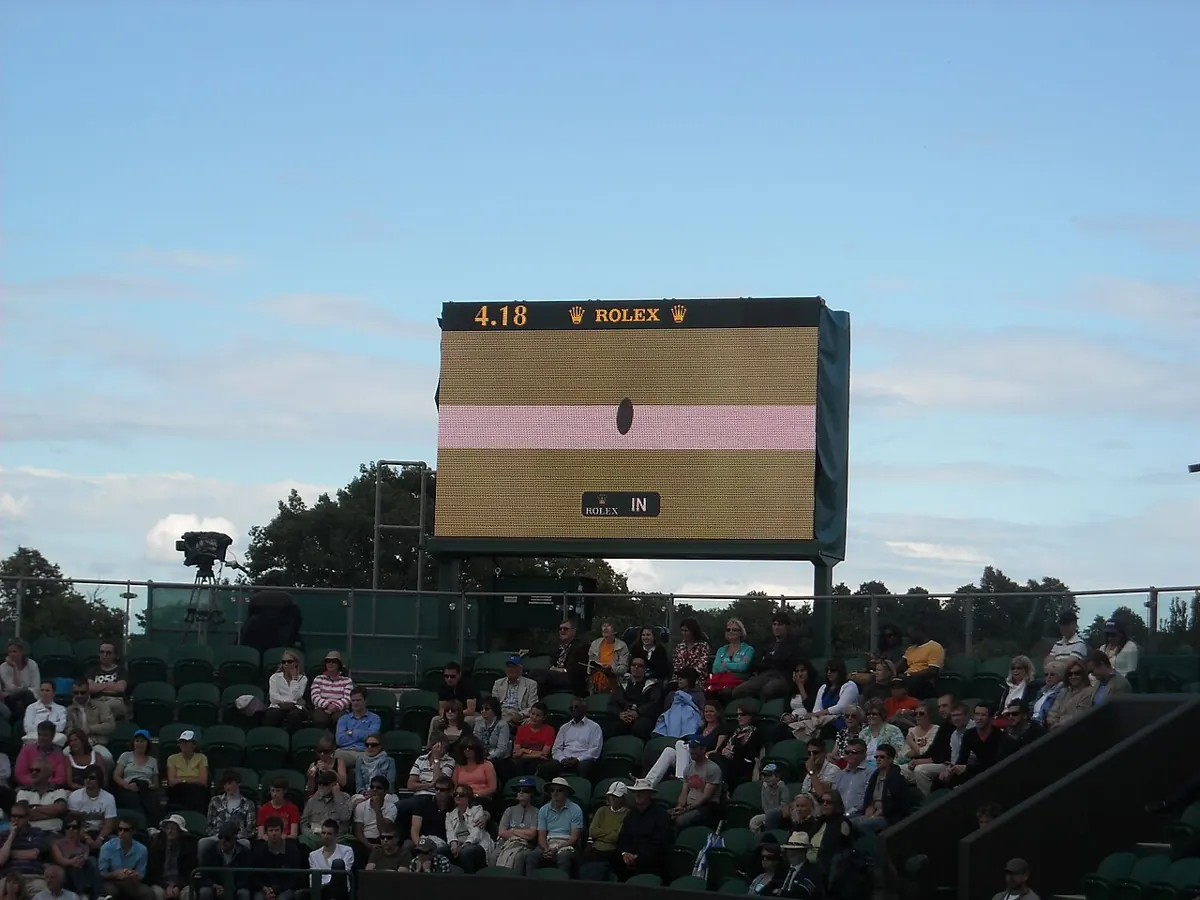
Under Rule 22, a serve is a let if it touches the net, strap or band and is otherwise good. It is also a let if it touches the net and then hits the receiver or the receiver's partner before landing, or if you served before the receiver was ready.
The key line in Rule 22 is that a service let does not cancel a previous fault. So a let on your second serve leaves you on your second serve. Nothing in the rule caps how many lets you can hit in a row.
The receiver's readiness cuts both ways. Under Rule 21, a receiver who tries to return the serve counts as ready. You cannot swing at a serve, miss, and then claim you were not ready.
The let that gives you a fresh first serve
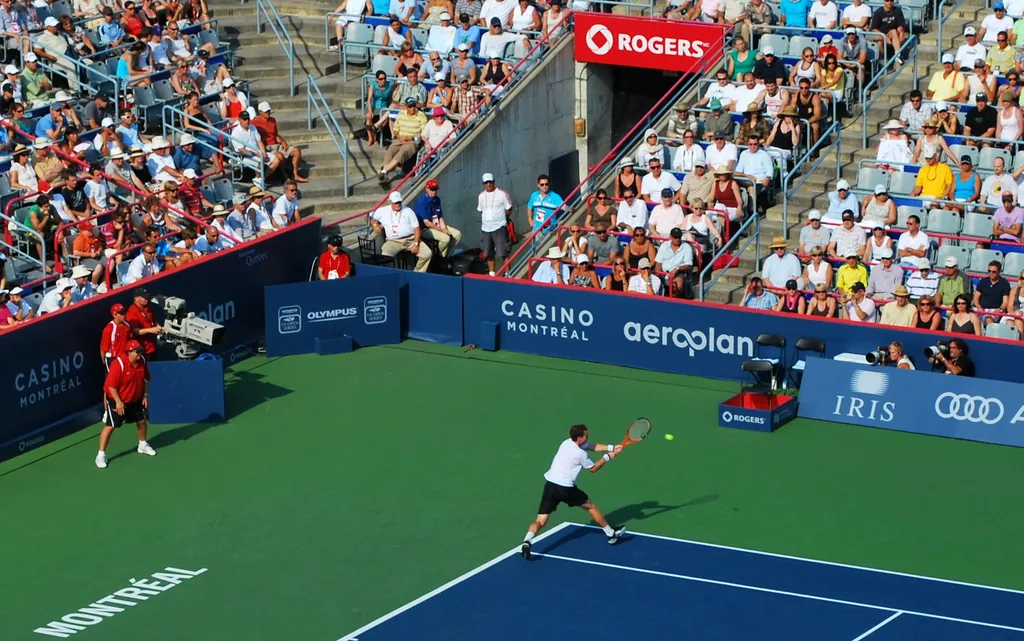
There are two kinds of let. A service let replays one serve, as above. A let called for something else, such as a ball rolling onto the court, replays the whole point. Rule 23 says the whole point is replayed for every let except a service let on a second serve.
Rule 23, Case 1 shows the difference. If you had already faulted your first serve and a ball then rolls on court during the point, you get a first serve, not a second one, because the point starts over.
Second serve from where?
Rule 20 says the second serve comes from behind the same half of the court as the fault, without delay. The one exception is when the first serve came from the wrong half. Then you move to the correct side, which our guide to serving from the wrong side explains, including what happens to points already played.
"Without delay" is also why the time between first and second serve is short. The separate 25-second limit between points is covered in how much time you get between points.
When there is no service let
Appendix VI of the ITF rules includes an approved "No-Let" alternative. With it, a serve that touches the net, strap or band is in play. Some sanctioning bodies use it, so ask before a league match if you are not sure. In doubles played with Short Sets, No-Ad scoring and No-Let together, the sanctioning body may let either receiving player return a net-cord serve that lands in the box.
Using the second serve well
Because a double fault costs the whole point, many players choose to hit their second serve with more margin, meaning more net clearance and spin, rather than the same pace as the first. That is a tactic, not a rule. The rules only care that the ball lands in the right box. Our guide to serving underhand shows that the style of serve is up to you.
Quick questions
- If my second serve clips the net and lands in, do I get a first serve?
No. A service let replaces only that one serve. Rule 22 says it does not cancel a previous fault, so you serve your second serve again.
- I tossed the ball badly and caught it. Was that a fault?
No. Under Rule 19, Case 1, a server who tosses and decides not to hit may catch the ball or let it bounce, with no fault. Swinging at the toss and missing, though, is a fault under Rule 19b.
- Is there a limit on how many lets I can serve?
Rule 22 sets no number. Each service let simply means that serve does not count and you serve again. Events using the No-Let alternative in Appendix VI remove the service let, so a net-cord serve that lands in is in play.
- A ball rolled on court after my first-serve fault. Do I get one serve or two?
Two. When a let is called during the point, the whole point is replayed, so you start again with a first serve (Rule 23, Case 1).
Rulebook sources
- ITF Rules of Tennis 2026 (Rules 19 to 24 and Appendix VI)itftennis.com
Rule statements were checked against these sources on November 3, 2026. See a mistake? Read our corrections policy or email contact@sportsanswered.com.
Who answered
Sports Answered Editorial Team. Researched against the official rules, written and fact-checked by our editors. How we answer
Expert review
Reviewed by John Craig on November 3, 2026.