Who Serves First in Tennis? The Toss, the Three Choices and What Comes Next
The rulingDecided by toss before warm-up
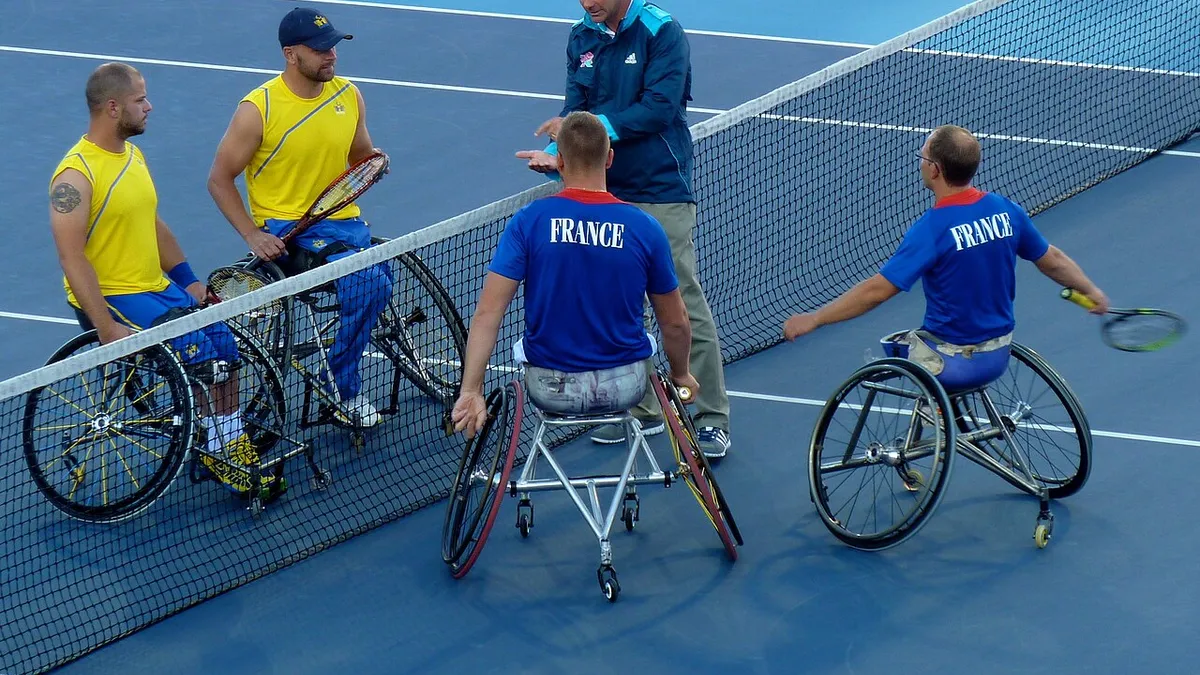
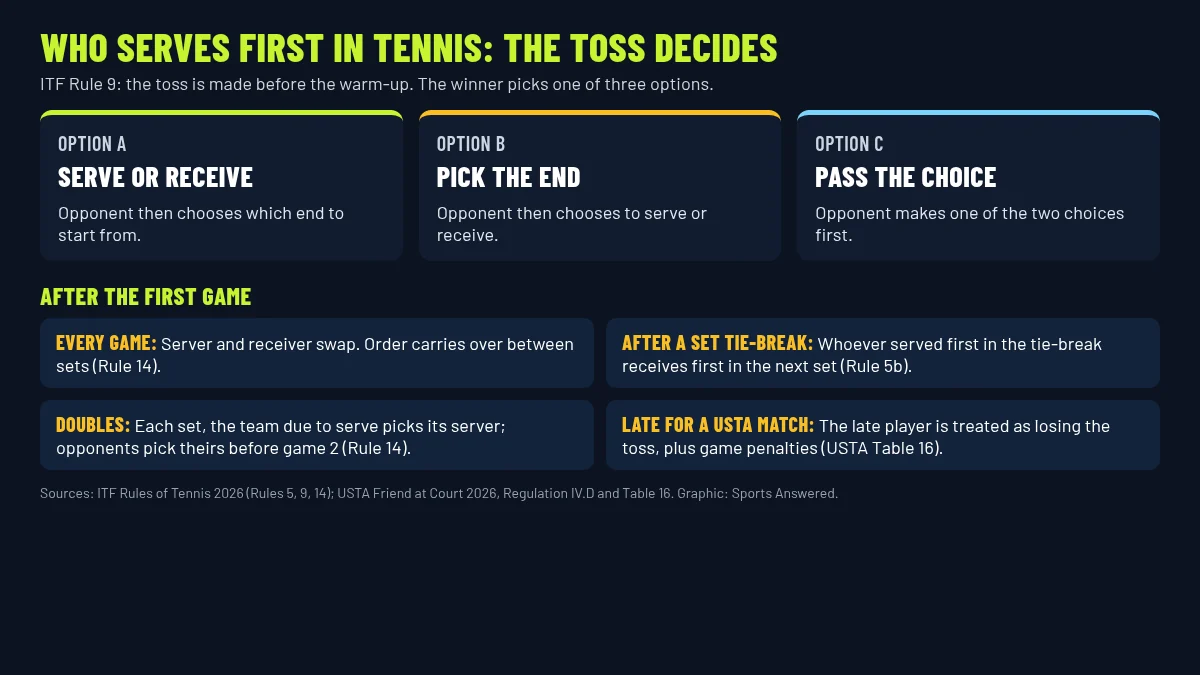
Who serves first in tennis is decided by a toss before the warm-up starts. The player or team that wins the toss does not have to serve. Under Rule 9 of the ITF 2026 Rules of Tennis, the winner picks one of three options, and the opponent gets the choice that is left.
| Toss winner chooses | Opponent then chooses |
|---|---|
| (a) To serve or to receive in the first game | Which end of the court to start from |
| (b) Which end of the court to start from | Whether to serve or receive in the first game |
| (c) To make the opponent choose first | The remaining choice goes back to the toss winner |
How the toss works
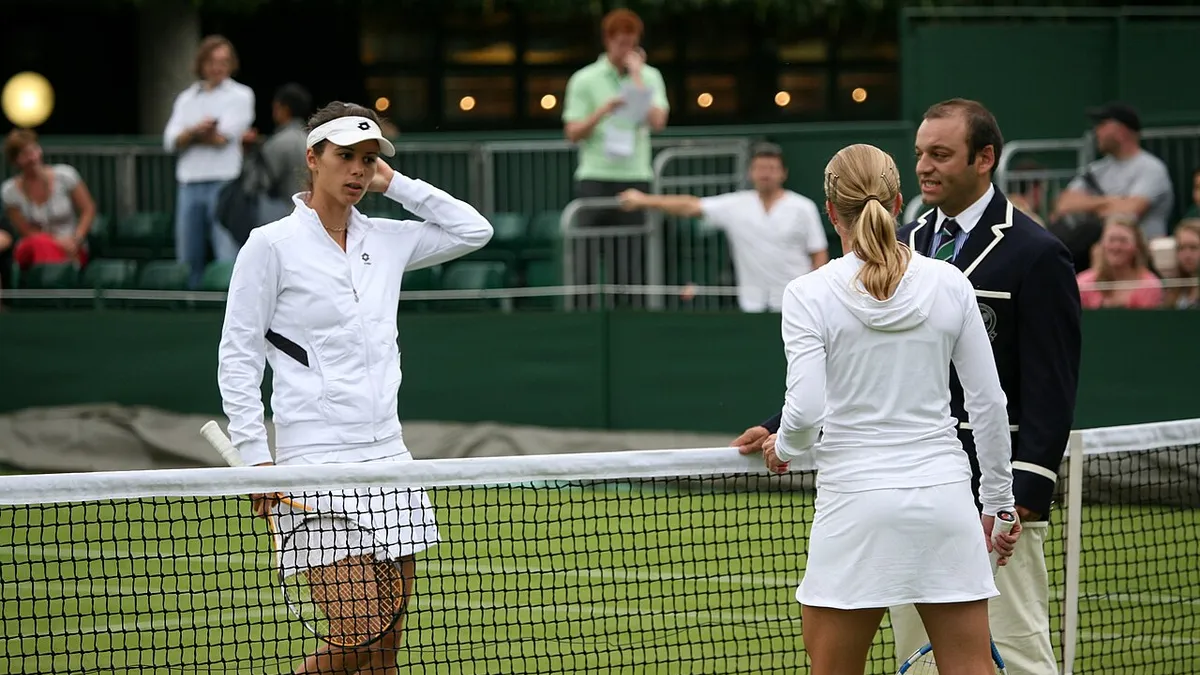
The rule says "toss" and does not say what you toss. At the pros it is a coin: the Grand Slam Rule Book 2026 tells the chair umpire to toss a coin in front of both players or teams, before the warm-up, to determine the choice of serve and side. Because Rule 9 does not require a coin, spinning a racket and calling which way the logo lands works just as well in a friendly match. The USTA Code itself names "spin a racket or toss a coin" as the last-resort way to settle a score dispute (Code item 32).
If the warm-up is stopped and the players leave the court, Rule 9 Case 1 says the result of the original toss stands, but both sides may make new choices when they come back. The Grand Slam rule book has the same idea for play suspended before the match begins.
Why you might not choose to serve
Option (b) and option (c) exist because the first choice is not always the most useful one. Picking an end can matter when sun or wind favors one side for the opening games, and players change ends after the first game anyway (Rule 10). Option (c) lets you see what your opponent wants before you decide. Which choice is best is a tactical call, not a rule, so there is no wrong answer here.
Who serves after the first game
Nobody tosses again during the match. Rule 14 says that at the end of each standard game, the receiver becomes the server and the server becomes the receiver. That alternation runs straight through the end of a set into the next one.
The one twist is the tie-break. Inside a tie-break the player whose turn it is serves the first point, then each side serves two points in turn. Rule 5b then says the player or team who served first in the tie-break receives in the first game of the next set. Our guide to how a tennis tiebreak works has the full point-by-point order.
When a match tie-break replaces the final set, the note in Appendix VI says the original order of service continues, so the next player in the rotation serves first.
Doubles: each set has its own first server
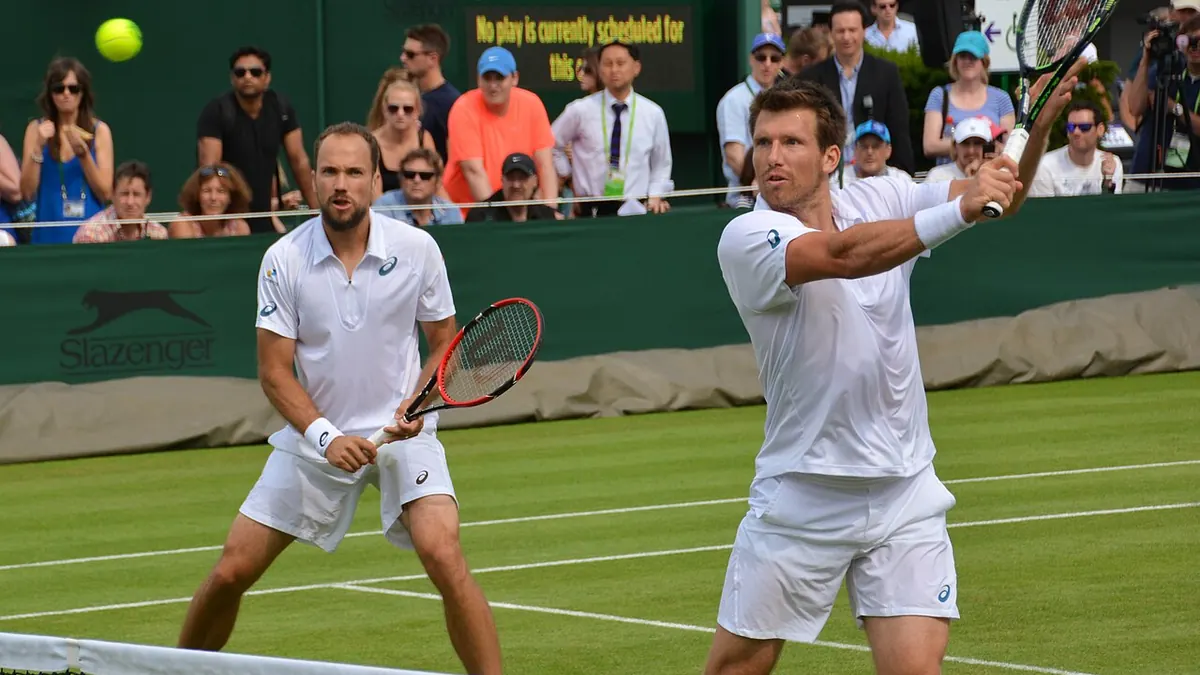
In doubles the toss still decides which team serves first, but each team picks its own serving order:
- The team due to serve in the first game of each set decides which partner serves that game (Rule 14).
- Before game 2, the other team decides which of its players serves.
- The partner of the first game's server serves game 3, the partner of the second game's server serves game 4, and the rotation continues to the end of the set.
The same freedom applies to receiving. Rule 15 lets the team receiving in the first game of a set decide which partner receives the first point. USTA Comment 15.2 in the 2026 Friend at Court confirms a team may switch its receiving order at the start of any set or match tiebreak, and USTA Comment 14.1 says the same for the serving order at the start of a match tiebreak.
Late for a USTA match? You lose the toss
In USTA tournaments, lateness comes with a built-in penalty on the toss. Regulation IV.D.10 says a player penalized for lateness is deemed to have lost the Rule 9 toss: they still get a choice, but only after the opponent has chosen. Table 16 then adds game penalties on top:
| How late (best of 3 or 5 sets, or pro sets to 7+ games) | Penalty |
|---|---|
| 5 minutes or less | Loss of toss plus 1 game |
| 5:01 to 10 minutes | Loss of toss plus 2 games |
| 10:01 to 15 minutes | Loss of toss plus 3 games |
| More than 15 minutes | Default |
Short-set formats use a smaller scale: loss of toss plus 1 game for 5 minutes or less, loss of toss plus 1 game and 2 points for 5:01 to 10 minutes, and loss of toss plus 2 games for 10:01 to 15 minutes.
If you lose track of who serves
Mistakes happen, especially in doubles. If the wrong player serves, the rules say how to fix it without replaying points; see what happens if you serve from the wrong side in tennis for every case. To keep the order straight from the first point, use our tennis score keeper.
Quick questions
- How do you decide who serves first in tennis?
By a toss before the warm-up (ITF Rule 9). The winner chooses to serve or receive, or chooses an end, or makes the opponent choose first. The opponent gets whichever choice is left.
- Does the winner of the toss have to serve?
No. The winner can choose to receive, can choose an end instead, or can hand the first choice to the opponent.
- Who serves first in the second set?
Nobody tosses again. Service keeps alternating game by game across sets (Rule 14). If the first set ended in a tie-break, the player who served first in the tie-break receives in the first game of the next set (Rule 5b).
- Who serves first in doubles?
The team that serves first in each set decides which partner serves the first game, and the other team decides its server before game 2 (Rule 14). Partners then alternate.
- What if a player is late for a USTA match?
Under USTA Regulation IV.D.10 and Table 16, a player penalized for lateness is treated as having lost the toss and chooses only after the opponent, on top of game penalties that start at one game for 5 minutes or less.
Rulebook sources
- ITF 2026 Rules of Tennis (Rules 5, 9, 14, 15 and Appendix VI), International Tennis Federationitftennis.com
- Grand Slam Rule Book 2026 (Chair Umpire duties), ITFitftennis.com
- USTA 2026 Friend at Court (USTA Comments 14.1, 15.1, 15.2; The Code item 32; Regulation IV.D.10 and Table 16), USTAusta.com
Rule statements were checked against these sources on October 31, 2026. See a mistake? Read our corrections policy or email contact@sportsanswered.com.
Who answered
Sports Answered Editorial Team. Researched against the official rules, written and fact-checked by our editors. How we answer
Expert review
Reviewed by Jeff Rausch on October 31, 2026.