The Two-Bounce Rule in Pickleball: Who Has to Wait, and When It Ends
The rulingServe bounces, return bounces, then volleys are allowed
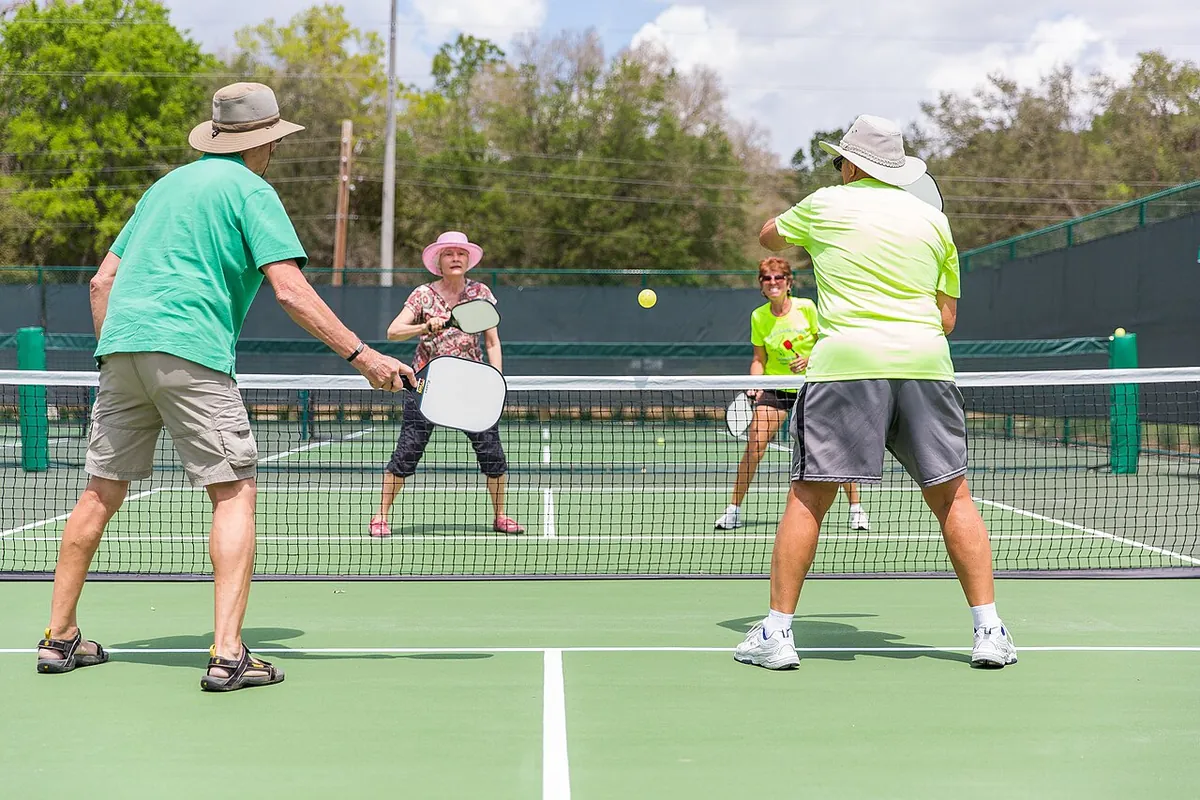
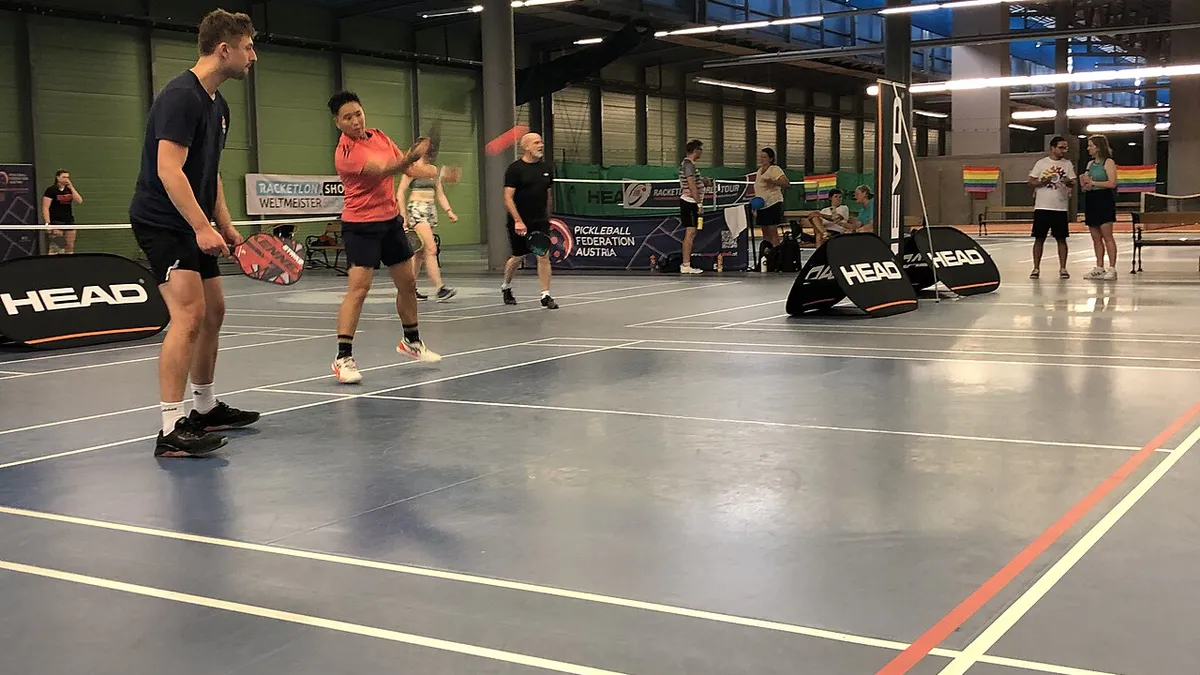
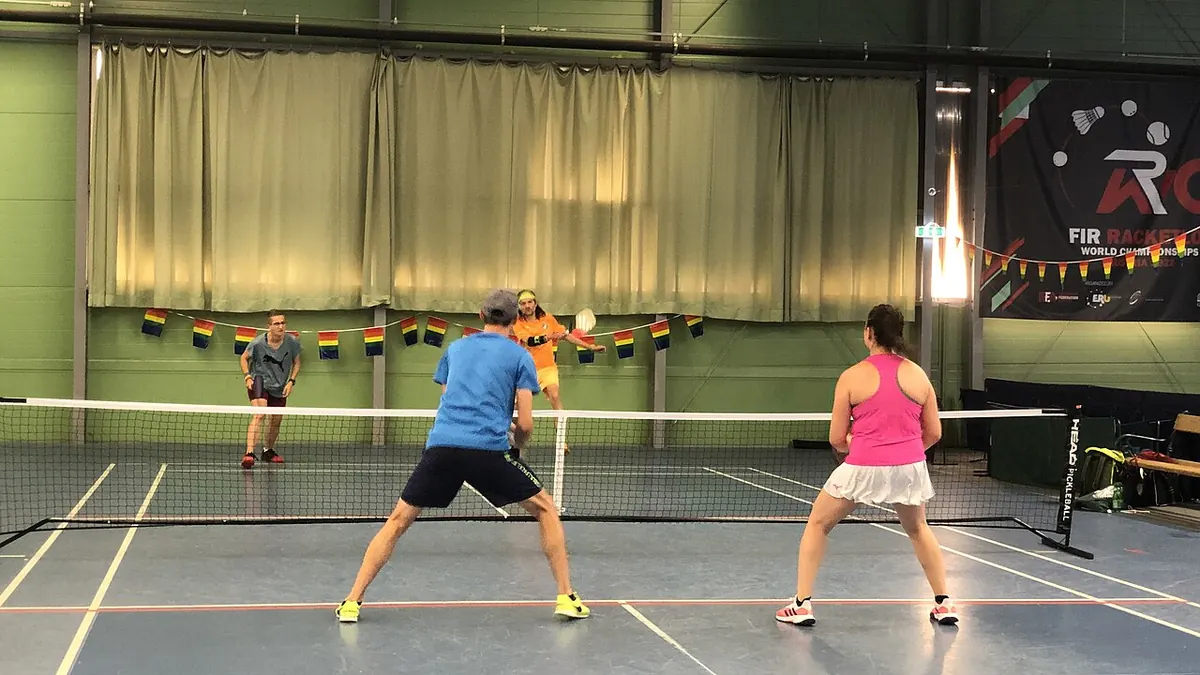
Two shots in every rally must bounce before anyone hits them: the serve, and the return of serve. Rule 10.A of the 2026 USA Pickleball Official Rulebook says exactly that, in one sentence. From the third shot on, either team may hit the ball out of the air, subject only to the kitchen rule.
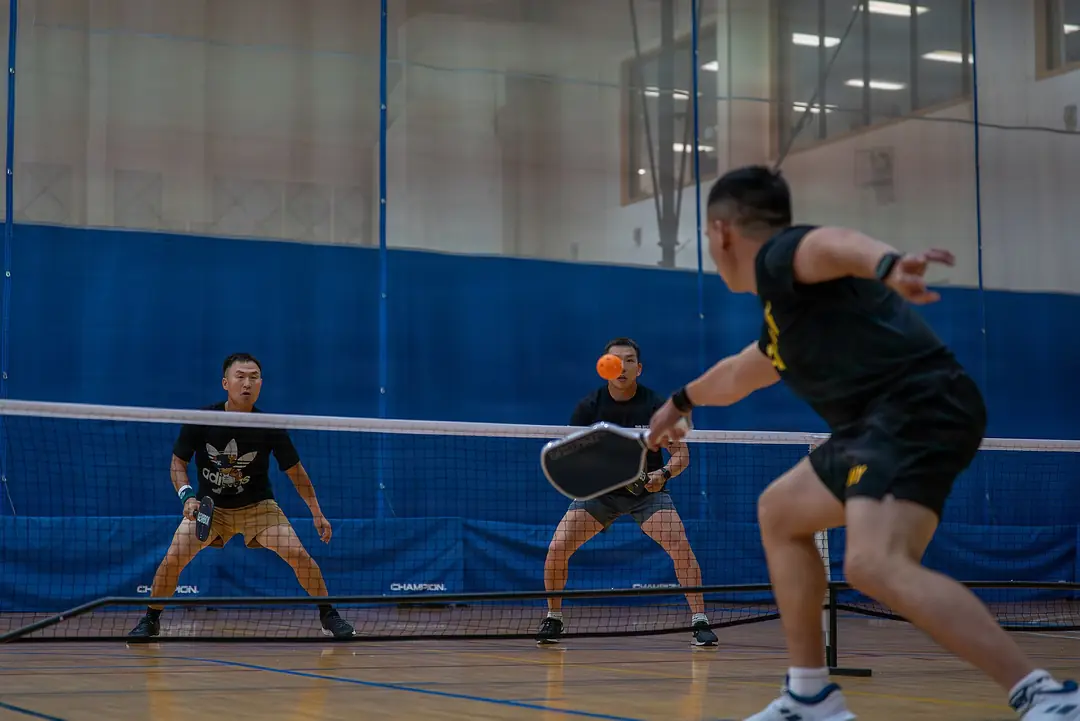
If you remember nothing else: the receiving team waits once, then the serving team waits once. After that, the rally is open.
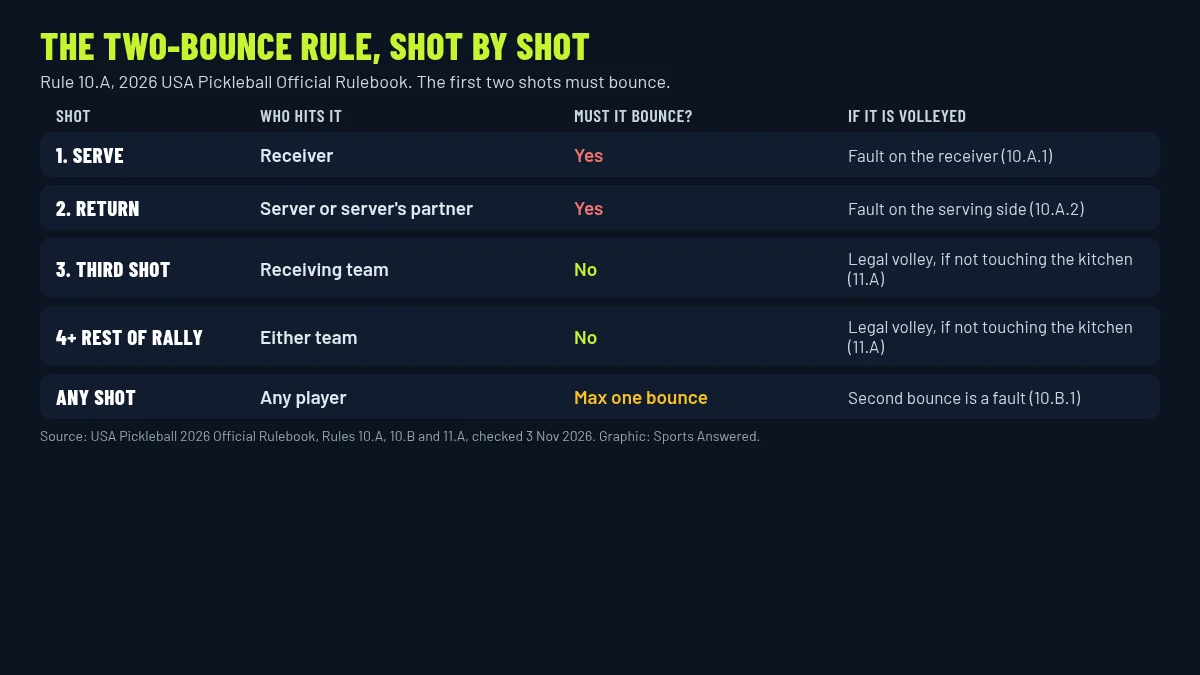
Who has to wait, shot by shot
Shot 1, the serve. The receiver must let it bounce. If the receiver hits the serve before it bounces, Rule 10.A.1 calls a fault against the receiver.
Shot 2, the return. The server, or the server's partner in doubles, must let it bounce. If either one volleys the return, Rule 10.A.2 calls a fault against the serving side. This is the one most newer players break, usually by rushing to the net right after serving and blocking the return in the air.
Shot 3 onward. The rule says nothing more. Any player may volley or play the ball off one bounce. The only volley limit left is Rule 11.A: every volley must start outside the non-volley zone, and you cannot touch the zone during the act of volleying.
What a fault costs depends on who serves. With traditional side-out scoring, a fault by the receiving team gives the serving team a point, and a fault by the serving team ends that server's turn (Rules 4.A and 5.B). Our guide to scoring on a serve in pickleball explains how that works.
Why the rule is there
The rulebook names the two-bounce rule and the non-volley zone together as the sport's unique features. Its own list of rule-writing principles includes preserving both and preventing "one shot, one paddle, or one type of play from dominating the sport."
On court, the effect is easy to see. Without it, the serving team could serve and charge the net, then volley the return before the receivers had moved. The rule makes the serving team stay back for one more shot, so the receiving team has the first chance to reach the kitchen line.
That is why so many players use a soft third shot that drops into the kitchen. The aim is to let the serving team move forward while the opponents can only hit the ball upward. That is a strategy choice, not a rule. A hard third-shot drive is just as legal.
Calls that catch people out
Volleying a serve that is going out. It is still a fault on the receiver. Rule 10.A.1 does not care where the ball would have landed. And if the serve hits you or your partner before landing, Rule 7.E.5 makes that a fault against the receiver too. Step out of the way and let it land.
The server's partner at the net. Wherever you stand while your partner serves, you still cannot hit the return before it bounces. If the return comes at you hard, back up or let it bounce. A volley here is a fault against your side.
Letting the ball bounce twice. This is a different rule. Rule 10.B says every player must hit the ball before its second bounce, and 10.B.1 makes a second bounce a fault. The names are similar, which is why the two get mixed up.
Wheelchair play. Rule 25.A.9 gives a wheelchair player a separate two-bounce allowance: the ball may bounce twice before they return it, and the second bounce can land anywhere on the playing surface. That changes Rule 10.B, the double-bounce rule, for that player. It does not remove the serve and return bounces under 10.A.
Where to stand so it is easy to follow
As the receiver, stand deep enough that the serve can bounce in front of you. Our guide on where to stand when receiving a serve covers the usual spots. After you return, move forward. Your side has already waited.
As the server's partner, start near the baseline or be ready to step back, because the return must bounce before either of you can hit it. Once the return has bounced, you can come in like everyone else.
If you are coming from tennis, this is one of the biggest habit changes. Our pickleball vs tennis rules comparison lists the others.
Quick questions
- Can I volley the serve if I can see it is going long?
No. Under Rule 10.A.1 the receiver must let the serve bounce, so hitting it out of the air is a fault against you even if it would have landed out. If the serve hits you or your partner before it lands, Rule 7.E.5 also makes that a fault against the receiver.
- Does the two-bounce rule apply in singles?
Yes. Rule 10.A applies to the serve and the return of serve in every game. In singles the server is the only player on the serving side, so the server must let the return bounce.
- After the third shot, can anyone volley?
Yes. Once the serve and the return have each bounced, the two-bounce rule has done its job. From then on you may volley, as long as you are not touching the non-volley zone while you do it (Rule 11.A).
- Is the two-bounce rule the same as the double-bounce fault?
No. The two-bounce rule says the first two shots must bounce before being hit. The double-bounce fault (Rule 10.B) says no ball may bounce twice on your side before you hit it.
Rulebook sources
- 2026 USA Pickleball Official Rulebook (Unique Features; Rules 7.E, 10.A, 10.B, 11.A, 25.A.9)usapickleball.org
Rule statements were checked against these sources on November 3, 2026. See a mistake? Read our corrections policy or email contact@sportsanswered.com.
Who answered
Sports Answered Editorial Team. Researched against the official rules, written and fact-checked by our editors. How we answer
Expert review
Reviewed by Sara McInnes on November 3, 2026.