Lost Ball Rule in Golf: 3-Minute Search, Penalty and Options
The rulingNot found in 3 minutes = 1 penalty stroke, replay from last spot
The clock starts when you, your caddie, your partner or your partner's caddie begins looking. If the ball has not been found within three minutes, it is lost (Rules of Golf, Definitions). Your fix is stroke and distance: add one penalty stroke and play again from where you hit the last shot (Rule 18.2b).
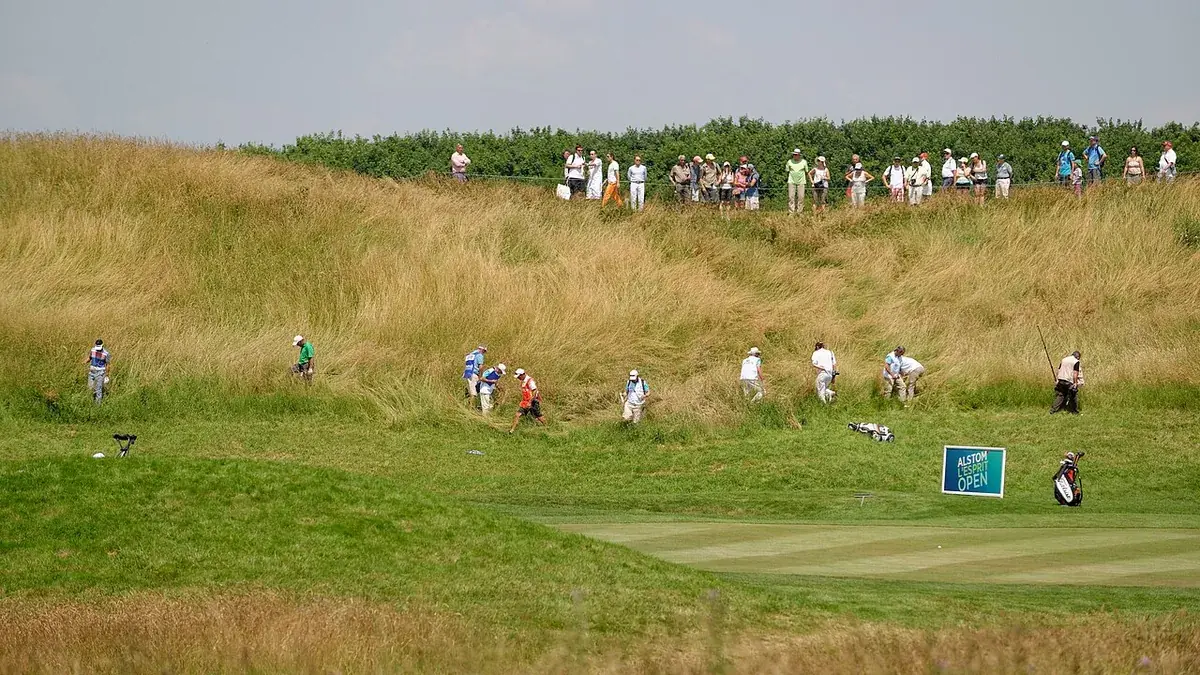
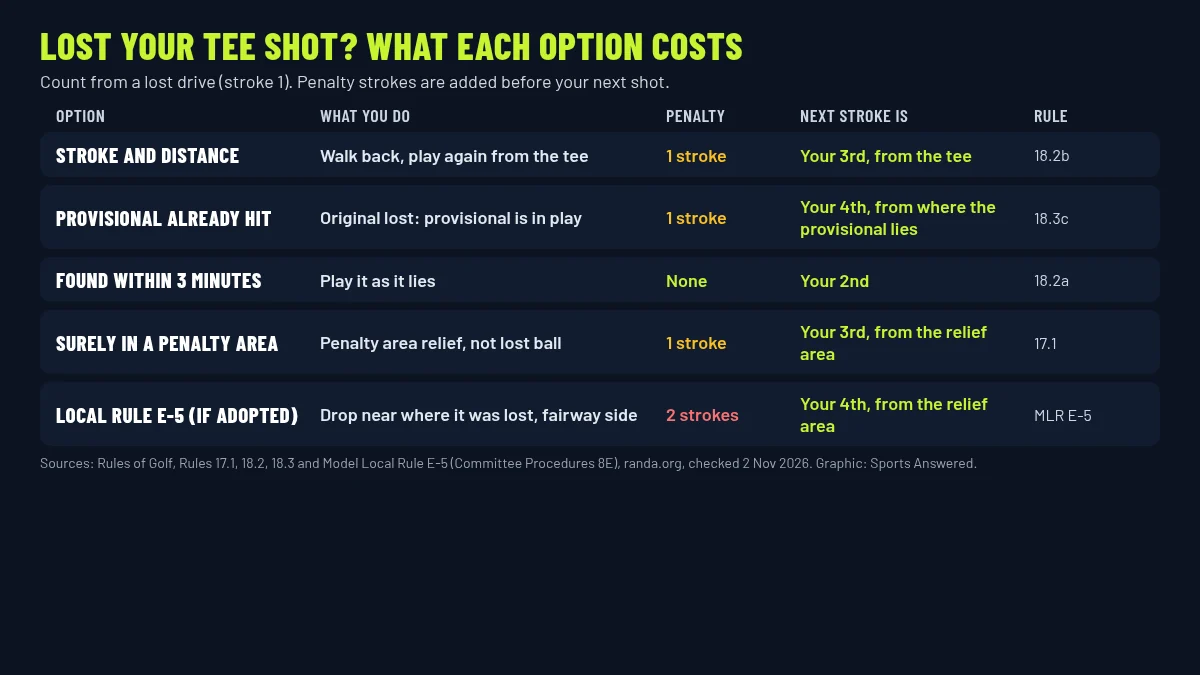
That is the whole default rule. What changes the cost is what you did before you walked off the tee: whether you hit a provisional, whether the ball is known to be in a penalty area, and whether your course uses Model Local Rule E-5.
When the three minutes start and stop
The definition of "lost" contains several details that settle most arguments in the group:
- You can't declare it lost. A ball does not become lost because you say so.
- No stalling. If you deliberately slow down so friends can search ahead of you, the clock starts when you would have been in position to search.
- Fair pauses don't count. If the search is interrupted for a good reason, such as a suspension of play, standing aside while another player plays, or checking a ball that turns out to be a wrong ball, the paused time is not counted. The total is still three minutes.
Finding the ball is not enough by itself. You must also identify it within a reasonable time (Rule 18.2a(1)), even if that happens just after the three minutes end. Rule 7.3 lets you lift a ball to identify it, provided you mark the spot first and replace it afterwards (Rules of Golf, Rule 7). If you accidentally move your ball while searching, there is no penalty; you put it back (Rule 7.4).
Stroke and distance, step by step
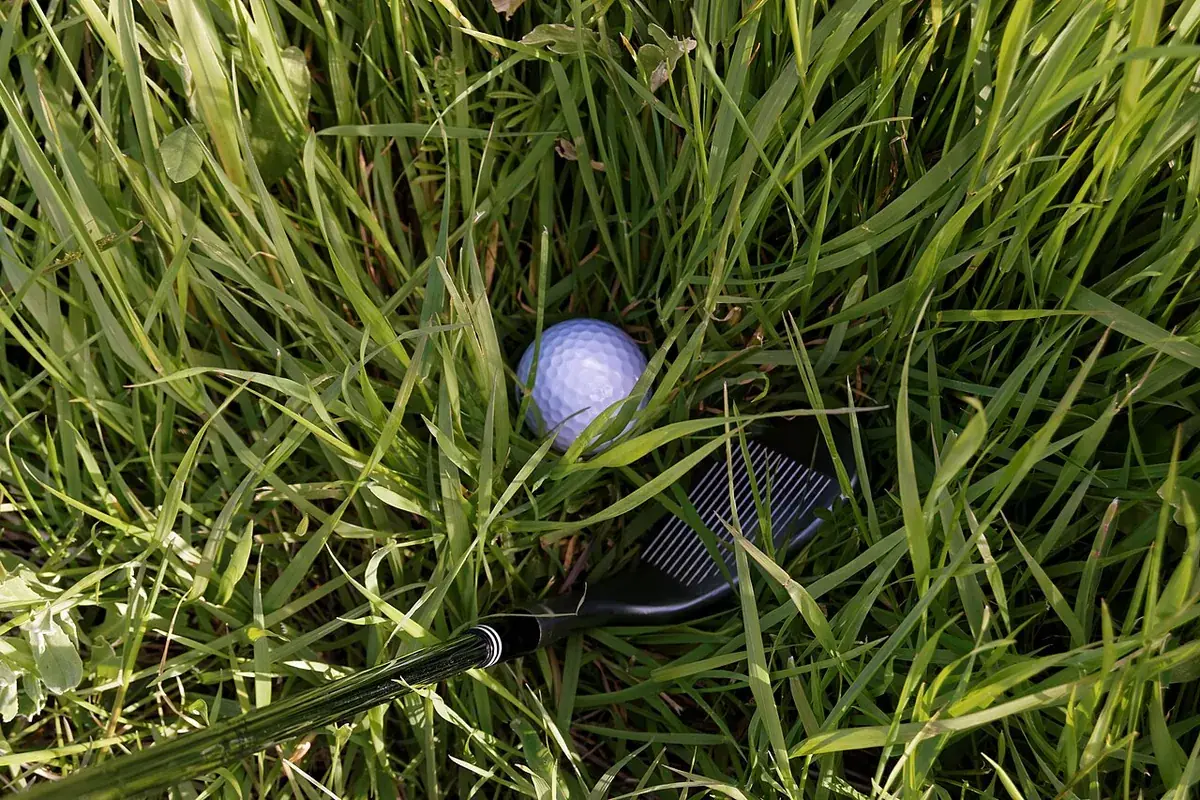
If the ball is lost (or out of bounds), Rule 18.2b says:
- Add one penalty stroke.
- Play the original ball or another ball from where your previous stroke was made.
- Count correctly. A lost tee shot means your next stroke is your 3rd.
If the ball later turns up after you have put another ball in play, leave it. Hitting it would be playing a wrong ball, which costs two more strokes in stroke play; see what happens if you hit the wrong ball in golf.
The provisional ball: insurance you buy on the tee
When a ball might be lost outside a penalty area or might be out of bounds, you may play a provisional ball to save the walk back (Rule 18.3a). Three things make it legal:
- Announce it before you hit. Saying "I'll hit another" is not enough. Use the word "provisional" or otherwise make it clear (Rule 18.3b). If you fail to announce it, the second ball is your ball in play under stroke and distance, and the original ball is no longer in play (Rule 18.1).
- It can be played more than once as long as you play it from a spot no nearer the hole than where the original is estimated to be (Rule 18.3c(1)).
- It becomes your ball if the original is lost outside a penalty area or out of bounds, or if you play the provisional from a spot nearer the hole than where the original is estimated to be (Rule 18.3c(2)).
If you find the original on the course outside a penalty area within the three minutes, you must abandon the provisional and play the original (Rule 18.3c(3)). You can ask others not to search for the original, but they don't have to stop.
Lost in a penalty area is a different rule
Stroke and distance is the default for a ball that is not found. The main exception: if it is known or virtually certain that your ball is in a penalty area, you may take penalty area relief under Rule 17.1 for one stroke (Rules of Golf, Rule 17). Depending on whether the area is yellow or red, that includes back-on-the-line relief and, for a red penalty area, lateral relief within two club-lengths.
"I think it went in the pond" is not enough. Without that knowledge or virtual certainty, a ball that is not found is simply lost, and stroke and distance applies. Rule 18.2b lists similar exceptions for a ball known or virtually certain to have been moved by an outside influence, played by another player, or to be in a movable obstruction or an abnormal course condition.
Model Local Rule E-5: the two-stroke drop
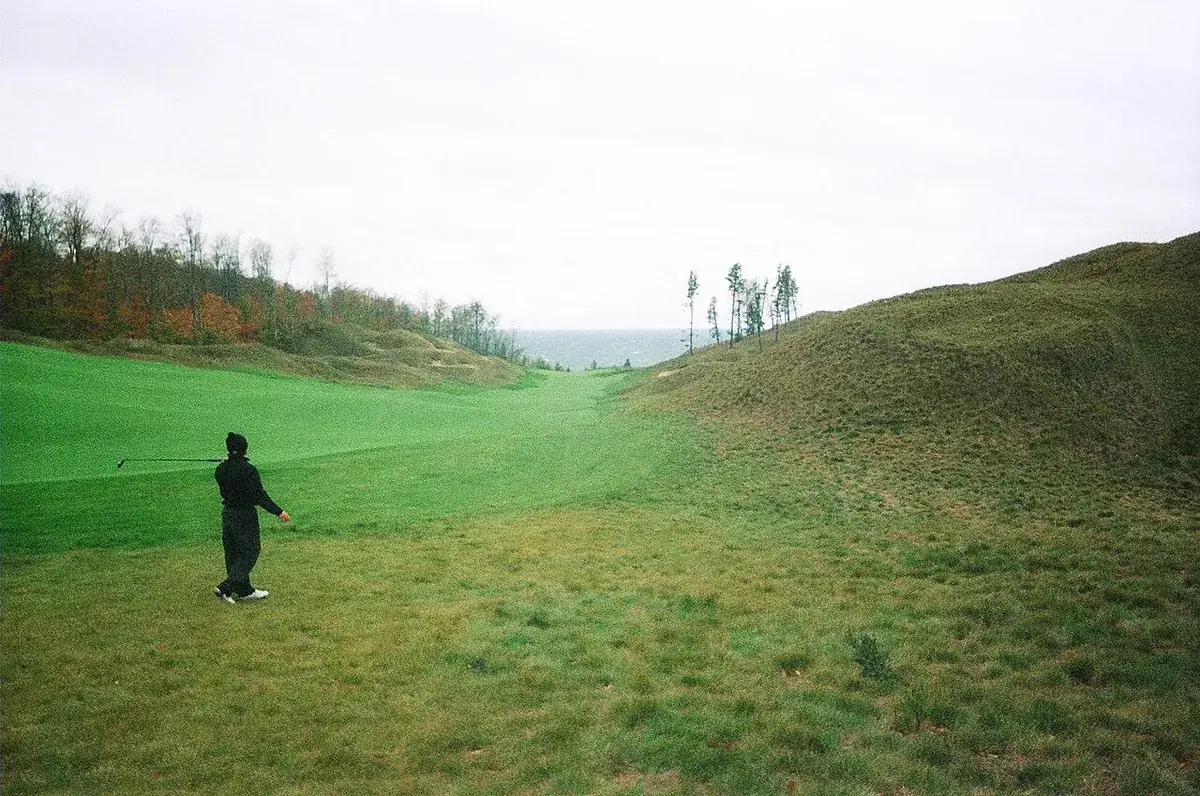
You may have heard you can "drop where it went missing for two." That is not the Rules of Golf default. It is an optional Local Rule, E-5, that a committee may adopt for general play (Committee Procedures, Section 8, Model Local Rule E-5). When it is in effect and your ball has not been found or is known or virtually certain to be out of bounds:
- Cost: two penalty strokes.
- Where you drop: in the general area, anywhere between a line from the hole through the spot where the ball is estimated to have come to rest (or crossed the boundary) and a line from the hole through the nearest fairway point that is not nearer the hole, plus two club-lengths outside each line. The drop must not be nearer the hole than the ball reference point.
- Not allowed when the ball is known or virtually certain to be in a penalty area, or after you have played a provisional ball. The one exception: you may use E-5 for a provisional ball that itself cannot be found.
- Once you drop, it's final. The original ball is out of play even if someone finds it inside the three minutes.
The R&A and USGA say E-5 is not appropriate for professional or elite amateur competitions. If you are posting the score for handicap purposes, the Committee Procedures point you to the World Handicap System guidance from your local handicapping body. For how handicaps work in general, see our explainer on what a plus handicap means, and you can work out strokes for your tees with our course handicap calculator.
Quick check before you leave the tee
- Could the ball be lost outside a penalty area or out of bounds? Announce and hit a provisional.
- Is the course using E-5? Check the scorecard or notice board, and remember it is off once you play a provisional.
- At the ball: start the clock honestly, identify before you hit, and stop at three minutes.
These rulings come from the 2023 Rules of Golf and the Committee Procedures, published jointly by The R&A and the USGA, which the R&A site shows as current when we checked on 2 November 2026.
Quick questions
- Can I just declare my ball lost and drop?
No. Saying a ball is lost does not make it lost. It is lost only when it has not been found within three minutes of the search starting, and even then the standard relief is stroke and distance from where you last played, not a drop where it disappeared.
- My partner found my ball at three minutes and ten seconds. Can I play it?
No. Once the three minutes have passed, the ball is lost. If you hit a provisional, that provisional is now your ball in play. If you did not, you go back under stroke and distance.
- Does the search clock pause?
Yes, for a good reason. If you stop because play is suspended, step aside to let another player play, or were busy checking a wrong ball, that time does not count. The total allowed is still three minutes.
- Which is cheaper, going back or using Local Rule E-5?
Going back costs one penalty stroke but you replay the distance. E-5 costs two penalty strokes but lets you drop near where the ball was lost. From the tee, both leave you playing your 4th shot, so E-5 mostly saves walking time. It applies only if the course or committee has adopted it.
- What if I'm sure the ball went into a penalty area?
If it is known or virtually certain to be in the penalty area, you can take penalty area relief under Rule 17 for one stroke instead of stroke and distance, even though you never found the ball.
Rulebook sources
- Rules of Golf, Definitions (Lost; Known or Virtually Certain), The R&A and USGAranda.org
- Rules of Golf, Rule 18 (Stroke-and-Distance Relief, Ball Lost or Out of Bounds, Provisional Ball), The R&A and USGAranda.org
- Rules of Golf, Rule 7 (Ball Search: Finding and Identifying Ball), The R&A and USGAranda.org
- Rules of Golf, Rule 17 (Penalty Areas), The R&A and USGAranda.org
- Committee Procedures, Section 8, Model Local Rule E-5, The R&A and USGAranda.org
Rule statements were checked against these sources on November 2, 2026. See a mistake? Read our corrections policy or email contact@sportsanswered.com.
Who answered
Sports Answered Editorial Team. Researched against the official rules, written and fact-checked by our editors. How we answer
Expert review
Pending. A certified coach or official will review this ruling; their name will appear here only after they approve it.
More rulings
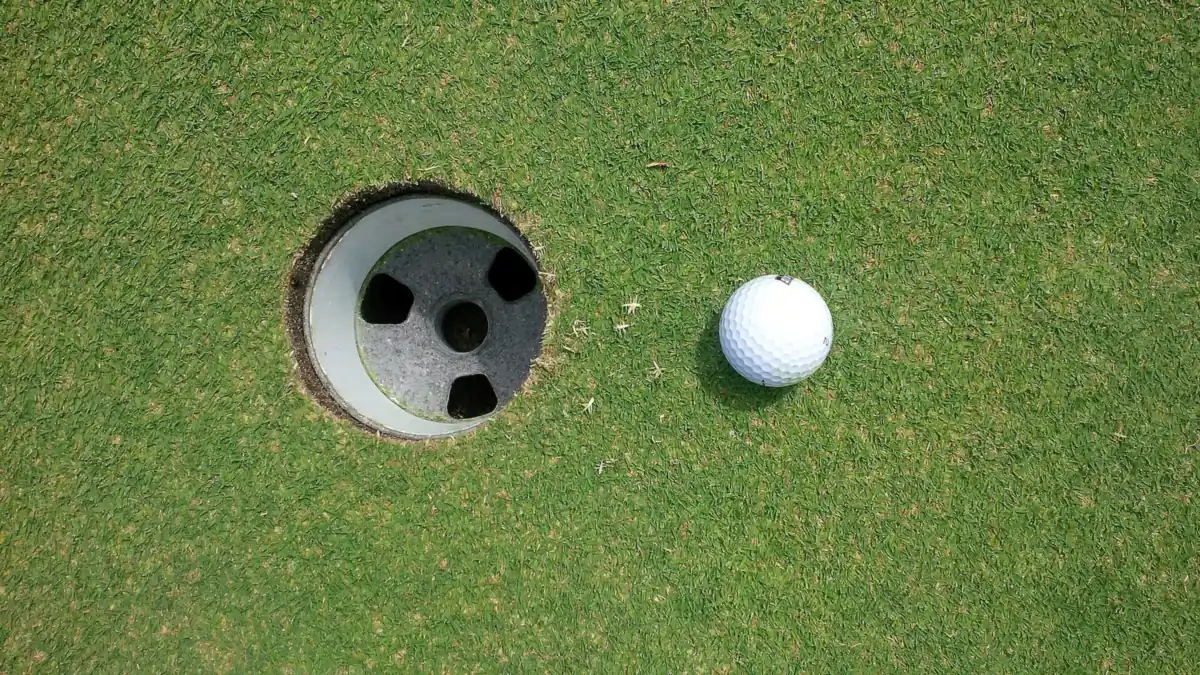
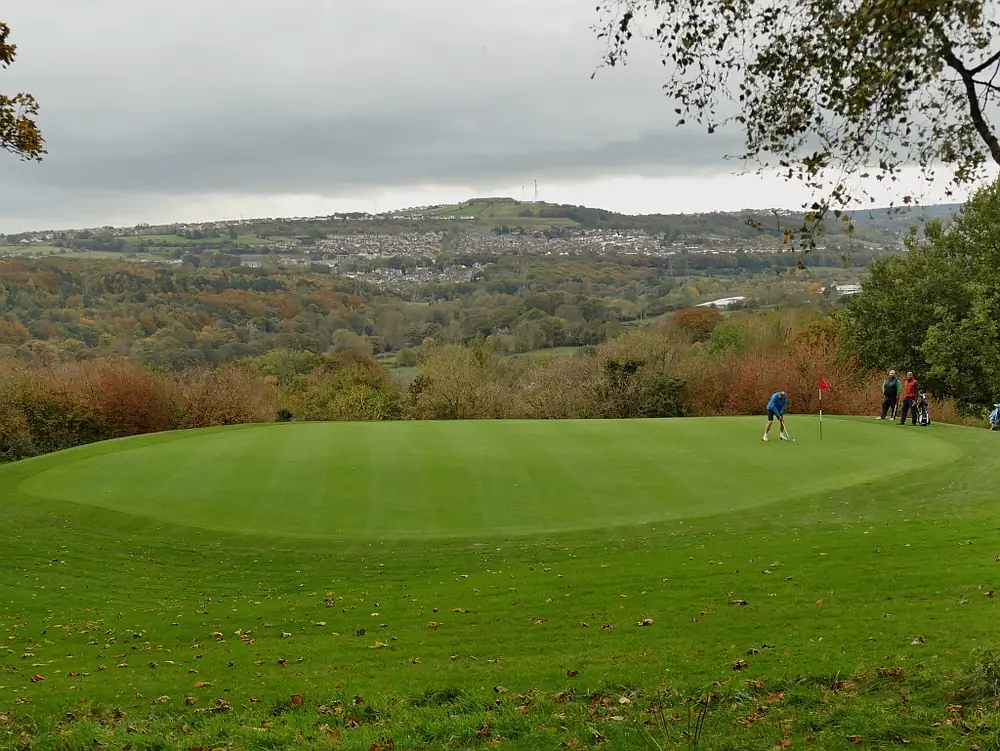 Golf Golf Ball Goes in the Hole and Bounces Out: Is It Holed? Not holed, play it as it lies
 Golf What Happens If Your Golf Ball Hits Another Ball on the Green? 2 strokes in stroke play, 0 in match play
 Pickleball Is It Better to Serve First in Pickleball? Slight edge, only with your best server first