Can You Score on a Serve in Pickleball? Yes, and Only the Serving Side Can
The rulingYes, only the serving side scores
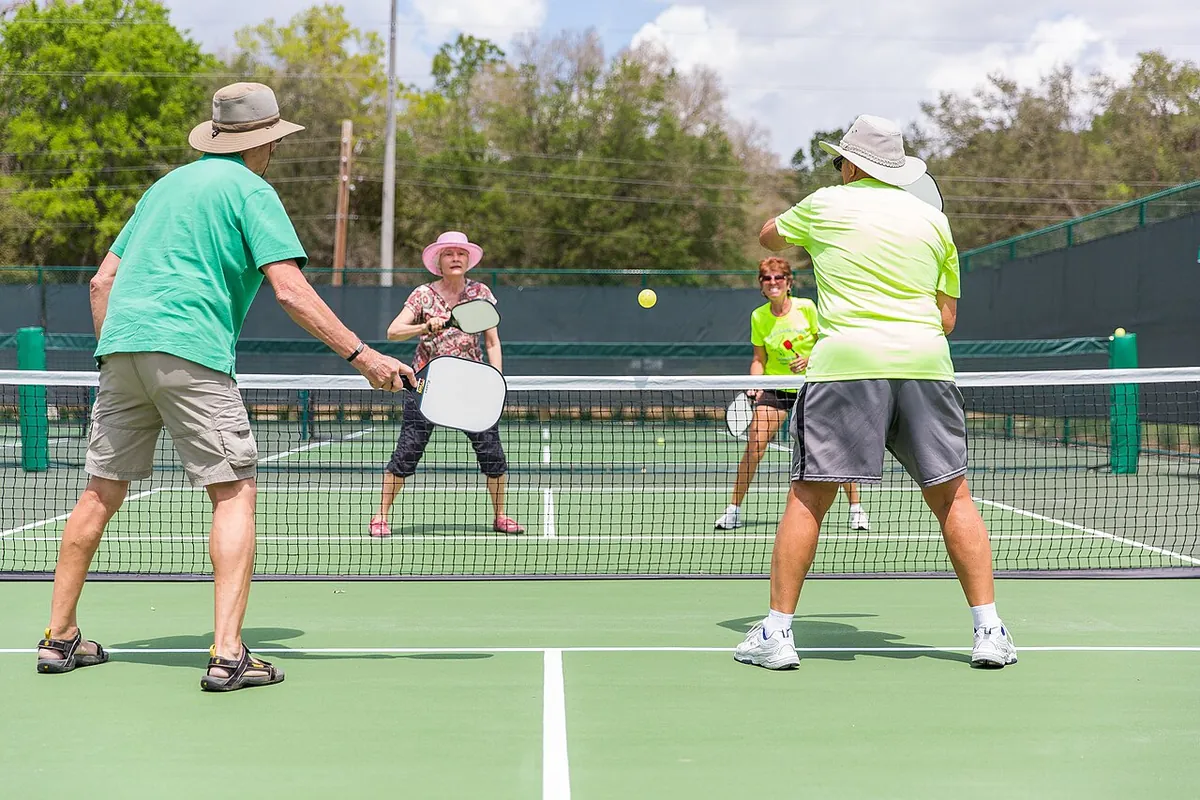
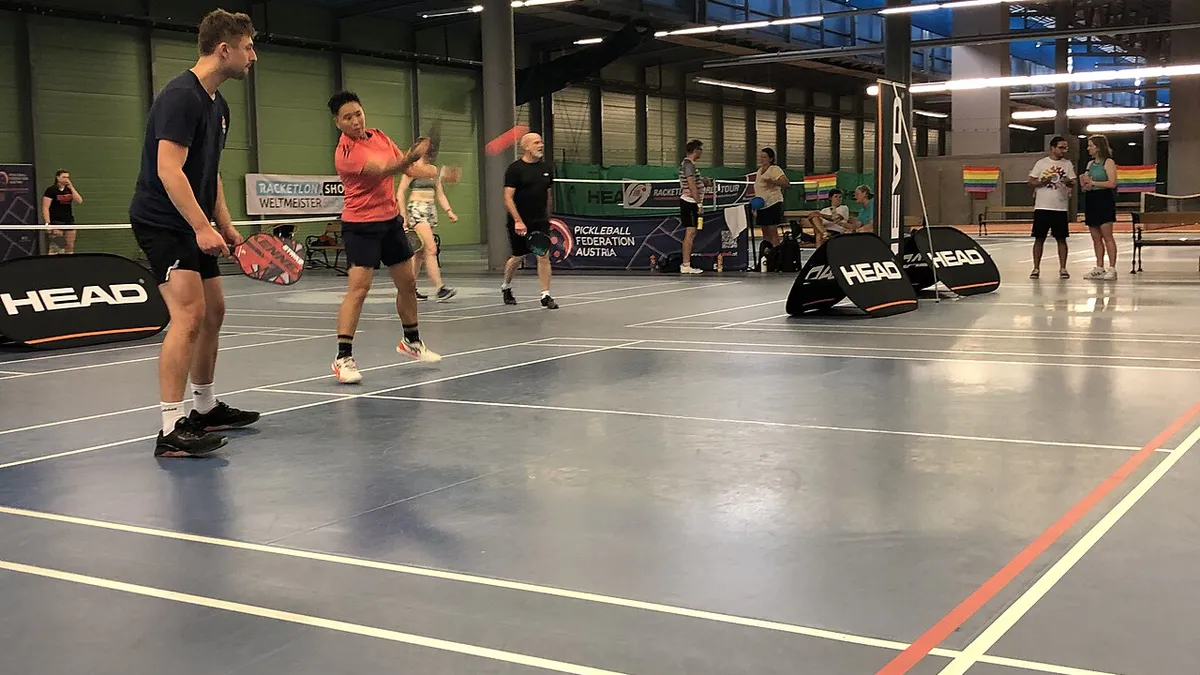
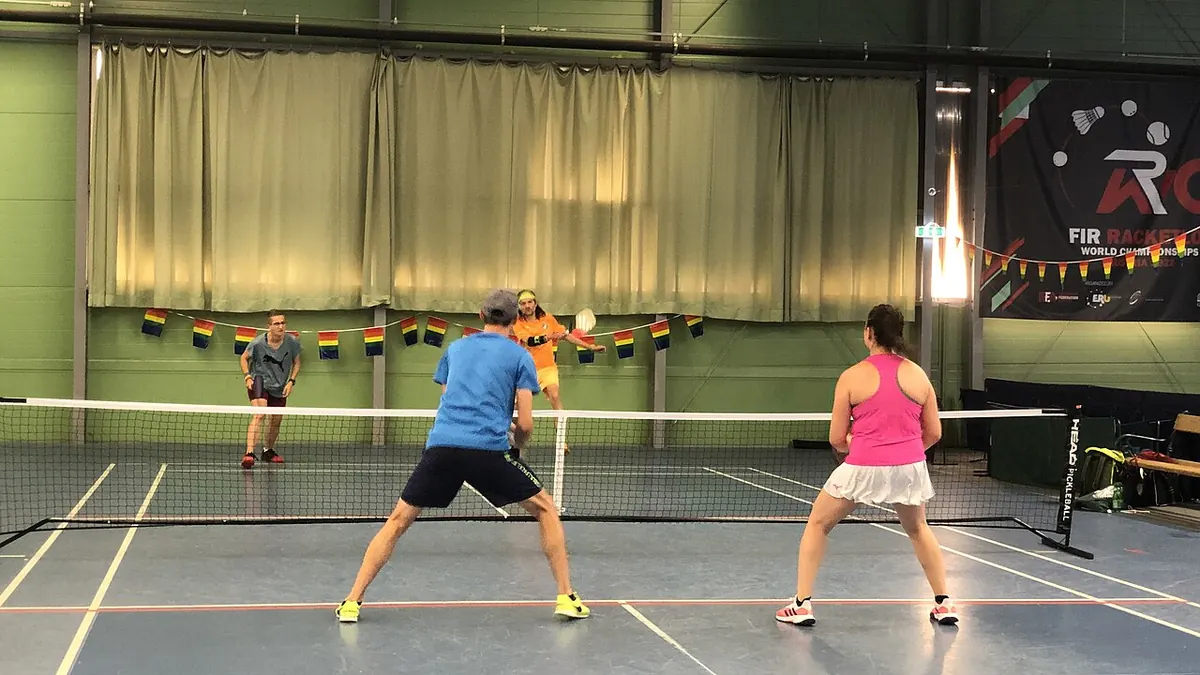
Yes. In standard pickleball scoring, points are scored only by the side that is serving. Rule 4.A of the 2026 rulebook says it in one line: "A point is scored by serving the ball and winning the rally" (USA Pickleball 2026 Official Rulebook).
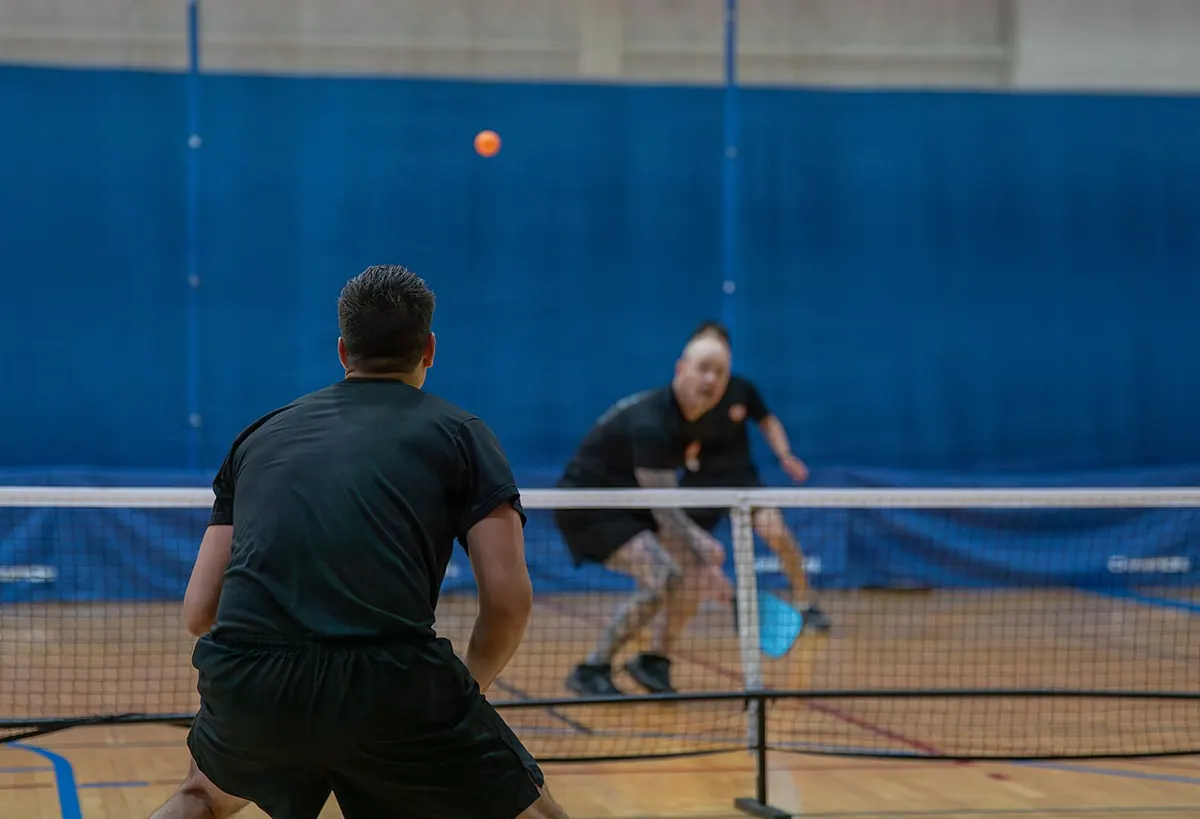
That also means the serve itself can win the point. If your serve lands in and the receiver cannot return it, your side wins the rally and scores.
The one exception is rally scoring, a provisional option in which whichever side wins the rally scores, serving or not (Rule 14.A).
Why only the serving side scores
Standard pickleball is side-out scoring. The server keeps serving, switching sides after each point won, until their side loses a rally (Rules 5.A.2 and 5.B). When the receivers win a rally, they do not get a point. They get the serve.
USA Pickleball's own summary puts it plainly: "Only the serving side can score points. The server continues serving until a fault is made, at which point the serve passes to the other team" (USA Pickleball, What Is Pickleball). Most games go to 11, win by 2.
In doubles, both partners serve before a side out, except at the start of each game, when only the first server serves. That is why the opening score is called 0-0-2. The full order is in who serves in pickleball and in what order.
Every way the serve itself wins a point
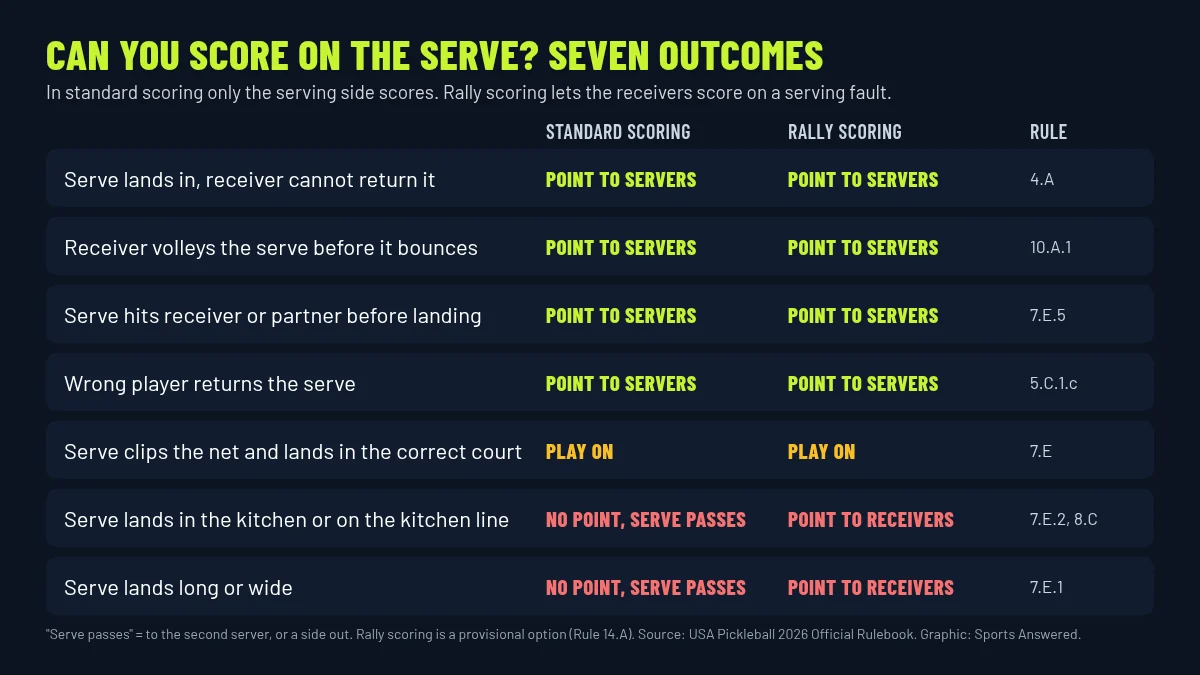
These four outcomes all end the rally in the serving side's favor, so the servers score:
| What happens | Result | Rule |
|---|---|---|
| Legal serve lands in, receiver misses it or hits it out or into the net | Point to the servers | 4.A |
| Receiver hits the serve before it bounces | Fault on the receiver, point to the servers | 10.A.1 |
| Serve hits the receiver or the receiver's partner before landing | Fault on the receiver, point to the servers | 7.E.5 |
| The wrong player on the receiving team returns the serve | Fault on the receiver, point to the servers | 5.C.1.c |
The second row catches new players coming from tennis or volleyball. The two-bounce rule says the serve and the return must each bounce before anyone hits them (Rule 10.A), so a receiver who steps in and volleys the serve gives the point away.
The third row surprises people too. A serve that hits the receiver's partner standing near the kitchen, before it lands, is a fault on the receiving side, even if the ball was going long.
Serves that do not score
A serve has to clear the non-volley zone, with or without touching the net, and land in the diagonal service court (Rule 7.E). If it does not, it is a fault on the server:
- It lands outside the correct service court (7.E.1).
- It lands in the kitchen (7.E.2), or on the kitchen line, which counts as out for a serve (8.C).
- It hits a permanent object before landing (7.E.3).
- It hits the server or the server's partner (7.E.4).
In standard scoring, a serving fault gives nobody a point. The serve passes to the second server, or the other side gets it. There is no second serve.
Lines other than the kitchen line work in your favor. The service court includes its baseline, sideline and centerline (Rule 3.A.4.f), so a serve that lands on any of them is in. More on the kitchen line in whether the pickleball kitchen line is in or out.
A serve that clips the net and still lands in the correct court is a live ball. There is no let serve in pickleball. Details in can a pickleball serve hit the net.
How rally scoring changes the answer
Rally scoring is approved as a provisional option in the 2026 rulebook. Under Rule 14.A, "a point is scored by the singles player or doubles team that wins each rally." So the receivers can score too, including when the server faults on the serve.
Two other things change in rally scoring doubles. The score is called with two numbers instead of three (14.A.3), and only one player on a team serves before a side out (14.A.5). If your league or tournament uses rally scoring, check which format the event announced before you start.
Keeping the score straight
Most scoring arguments come from losing track of the server number, not from the rules above. Call the score before every serve: server's score, receiver's score, then server number in doubles. Our pickleball score keeper tracks it for you, and singles players can check how pickleball singles scoring differs from doubles.
Quick questions
- Can the receiving team score in pickleball?
Not in standard scoring. Rule 4.A says a point is scored by serving the ball and winning the rally, so when the receivers win a rally they win the serve, not a point. Under the provisional rally scoring option (Rule 14.A), the side that wins any rally scores, including the receivers.
- Is an ace legal in pickleball?
Yes. If a legal serve lands in the correct service court and the receiver cannot return it, the serving side wins the rally and scores a point. The serve still has to follow the serve motion rules in Section 7.
- Does the server get a second serve if the first one is a fault?
No. A serving fault ends the rally. In doubles the serve passes to the second server or to the other team; in singles it is a side out (Rules 5.A.2 and 5.B).
- What if the serve touches the net and lands in?
It is a live ball. Rule 7.E says the serve must clear the non-volley zone with or without touching the net, so there is no let and no replay.
- Is a serve that lands on the kitchen line in?
No. Rule 8.C says a serve that lands on the non-volley zone line is out. A serve on the baseline, sideline or centerline is in, because the service court includes those lines (Rule 3.A.4.f).
Rulebook sources
- USA Pickleball 2026 Official Rulebook (Rules 3.A.4, 4.A, 5.A, 5.B, 5.C, 7.E, 8.B, 8.C, 10.A and 14.A), USA Pickleballusapickleball.org
- What Is Pickleball, USA Pickleballusapickleball.org
Rule statements were checked against these sources on October 29, 2026. See a mistake? Read our corrections policy or email contact@sportsanswered.com.
Who answered
Sports Answered Editorial Team. Researched against the official rules, written and fact-checked by our editors. How we answer
Expert review
Reviewed by Linda Conrad on October 29, 2026.